
Fall Window Display Ideas: The "Foraged Nature" Hack (Zero Budget)
While we strive to credit all original designers, some archival images remain uncredited. Please contact us for proper attribution.
Additionally, this post may contain affiliate links to our recommended materials, meaning the studio may earn a small commission at no extra cost to you.
August is almost over, and the back-to-school retail transition is creeping up fast. Are you staring at your faded summer storefront, wondering how to create a cozy, autumnal atmosphere in 48 hours without draining your marketing budget?
You don't need to order expensive, artificial plastic pumpkins or fake maple leaves. To create a high-end, "Quiet Luxury" storefront, the best props are completely free.
Step outside. The answer is Foraged Nature.
THE RAW ELEGANCE OF DRIED BOTANICALS (3 Ways to Style Them)
In visual merchandising, raw organic matter brings an immediate grounding, tactile quality to a storefront. Depending on your brand’s DNA and the time you have, foraged nature can be styled in three radically different, high-end aesthetics:
01. The Naturalist (Abundance & Immersion)
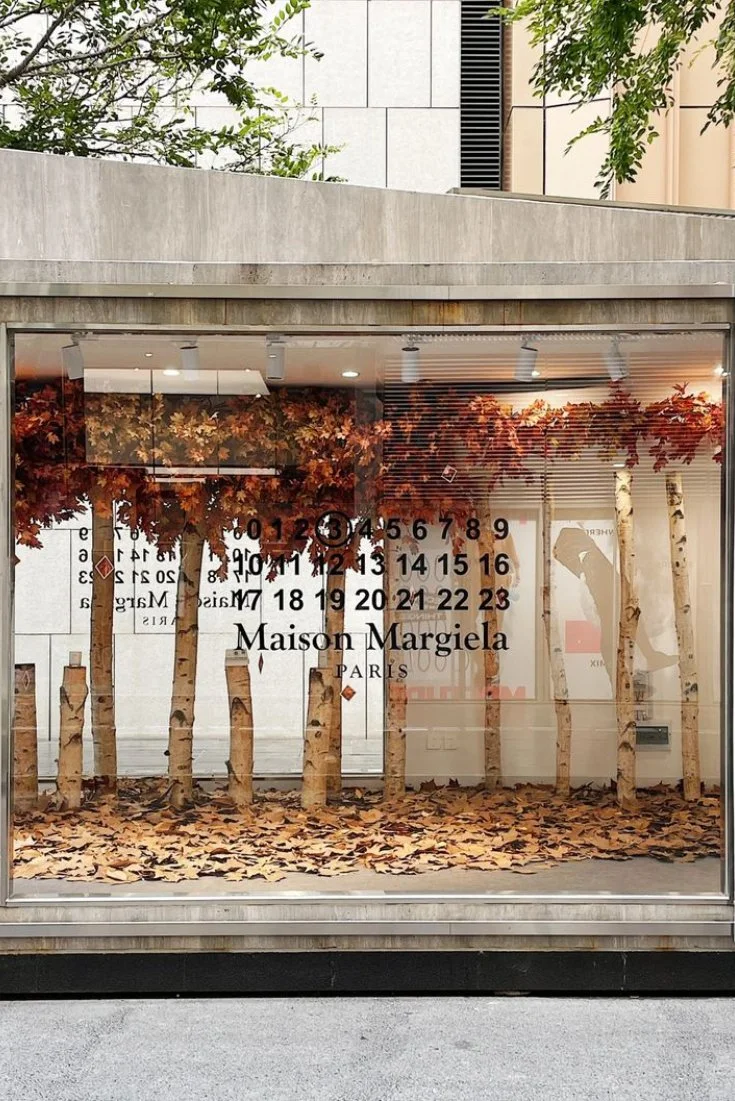
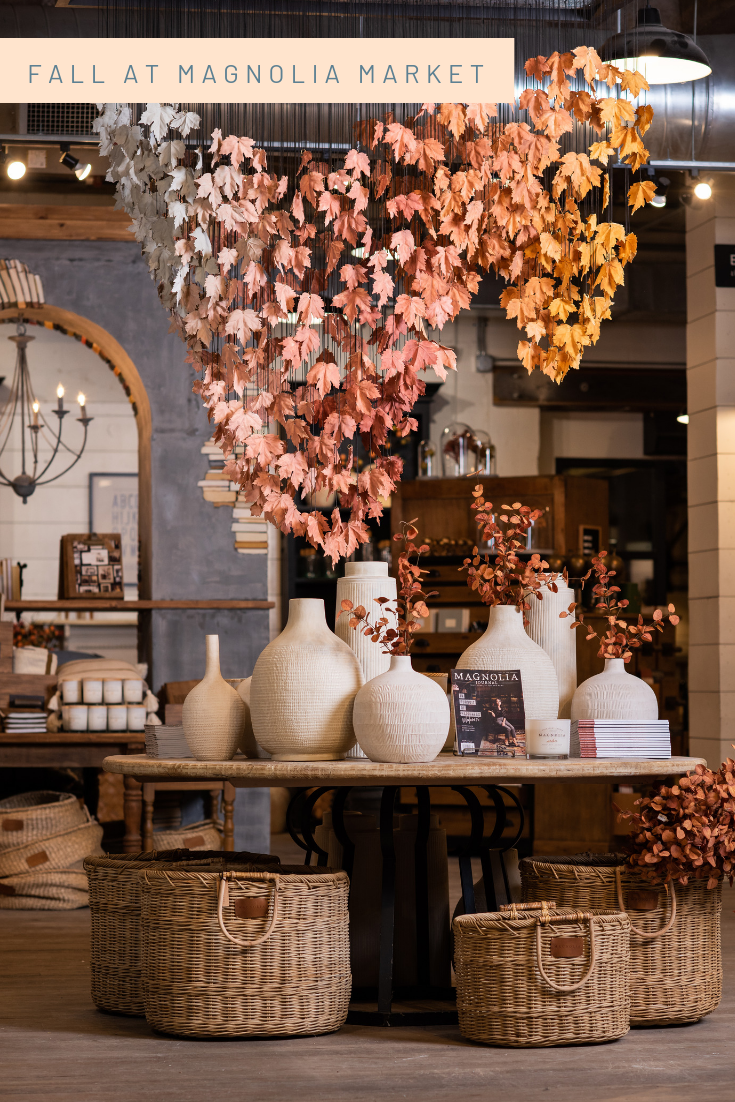
If your brand DNA is warm, cozy, or bohemian, lean into abundance. Suspend a massive, chaotic cloud of dry, twisting branches from your window ceiling. On the floor, let crisp, fallen leaves pool heavily around the base of your mannequins or product podiums. This creates a grounded, immersive forest-floor effect that instantly invites the customer in from the autumn chill.
✎ STUDIO PRO TIP: The Illusion of Mass
Looking at a monumental mountain of leaves (like the iconic Bonpoint storefront displays), you might think it requires hundreds of bags of foliage. It doesn't! The secret to large-scale retail design is "Hollow Volume."
To create a massive, organic hill, simply stack empty cardboard boxes, drape them tightly with a raw canvas or burlap drop cloth to smooth out the hard edges, and then scatter your dried leaves only on the surface. You get maximum visual impact with only 10% of the foraging effort!
Bonpoint (source Formit) ⨳ Maison Margiela (source unknown) ⨳ courtesy of Magnolia

02. The Architectural Minimalist (Negative Space)
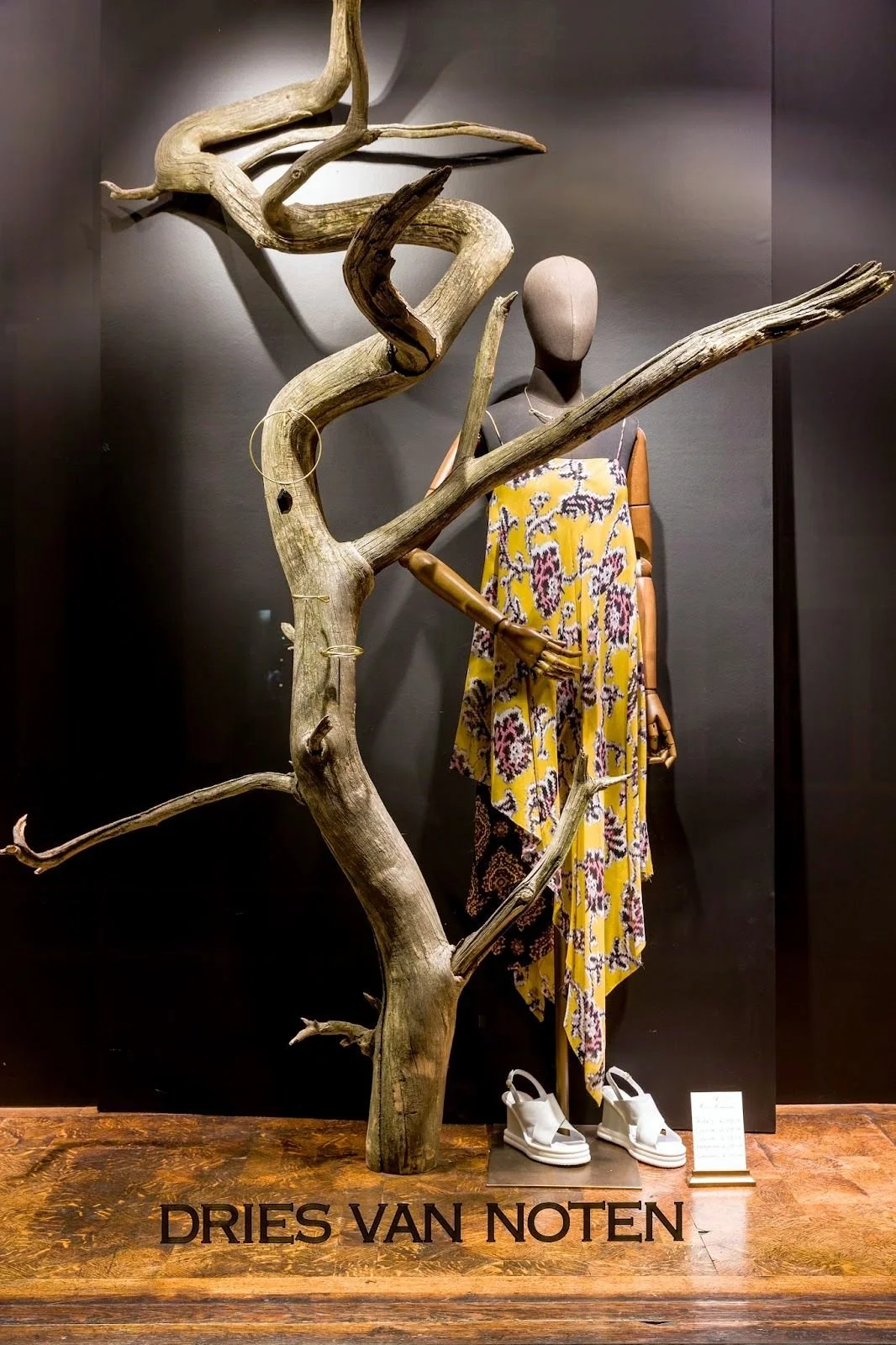
If your brand is highly contemporary or "Quiet Luxury," abundance will look messy. Instead, treat nature like a sculpture. Source one single, monumental, sculptural branch or bare tree trunk. Display it starkly against a blank wall—either standing vertically on a heavy base or suspended horizontally across the window. Add just a few isolated, dried leaves floating mid-air on invisible nylon threads. This leverages negative space to create a striking, gallery-like focal point.
✎ STUDIO PRO TIP: Visual Tension vs. Safety
In minimalist displays (like the Hermès stacked logs), the beauty comes from "Visual Tension"—arranging heavy objects so they look like they are balancing right on the edge of falling. However, storefront safety is paramount.
Never simply balance heavy wood in a public space! Behind the scenes of these effortless-looking displays is strict engineering. Always secure your logs using rods to hold the assembly together & maybe hidden metal L-brackets screwed to the back of the wood. The goal is to make it look dangerously poetic, while being architecturally rock-solid.
Dries Van Noten (source unknown) ⨳ Hermès (photo kraft&Carat) ⨳ Dries Van Noten (source unknown)


03. The Artisan Backdrop (The Alyssa Jos Inspiration)
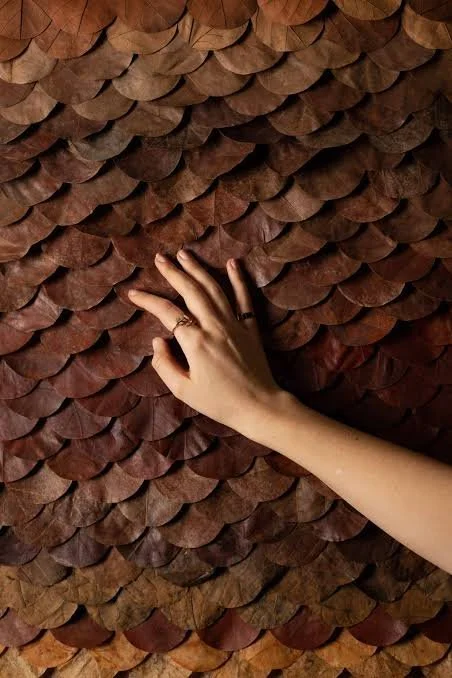
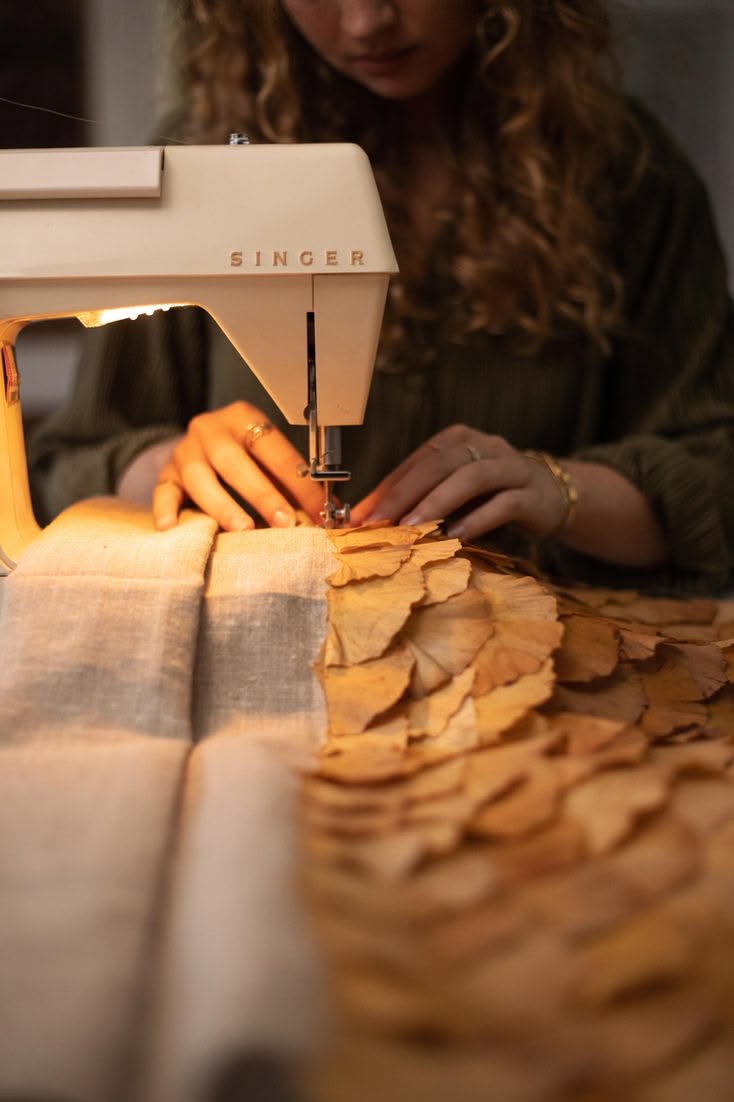
If you feel artistic and want to create a true masterpiece, look to the breathtaking work of French plant designer and visual artist Alyssa Jos. She elevates simple, foraged leaves into incredible, intricate textural artworks.
By collecting hundreds of fallen leaves of a similar color palette and meticulously pinning or gluing them to a backdrop panel, you can create a monumental "wall of leaves" for the back of your storefront.
✧ The Studio Secret: We won't lie—this option requires significant time and manual labor. But the result transforms a free, everyday material into a museum-worthy, high-couture architectural texture that will leave pedestrians speechless.
Alyssa Jos work (photo Marion Saupin)

✎ STUDIO PRO TIP: The Rules of Foraging (Etiquette & Prep)
Bringing the outdoors in is beautiful, but it requires a professional process to protect your merchandise and the environment. Follow these 3 studio rules:
1. Forage Responsibly: Never cut branches from living trees in public parks or forests—it is damaging to the ecosystem and often illegal. Only collect fallen, dead branches and crisp leaves from the ground.
2. The Drying Phase: Never treat your botanicals immediately. Let your foraged goods sit in a dry, warm, and well-ventilated backroom for at least 48 hours. If you spray damp wood, the moisture gets trapped, causing mold and turning your varnish cloudy. They must be bone dry.
3. The "Bug-Free" Seal: Do not use garden bug sprays (they leave an oily residue). Instead, once your branches are dry, spray them thoroughly with a Clear Matte Spray Lacquer (like this one or that one). This instantly seals the wood, suffocates any hidden pests, and prevents dry bark from crumbling onto your products.
(Urban boutique? Skip the hassle and source pre-dried, sterilized birch logs online).
MAXIMIZING YOUR ROI: From Summer to the Holidays
In retail design, the best props are the ones you can adapt. Foraged or raw nature offers incredible year-round versatility.
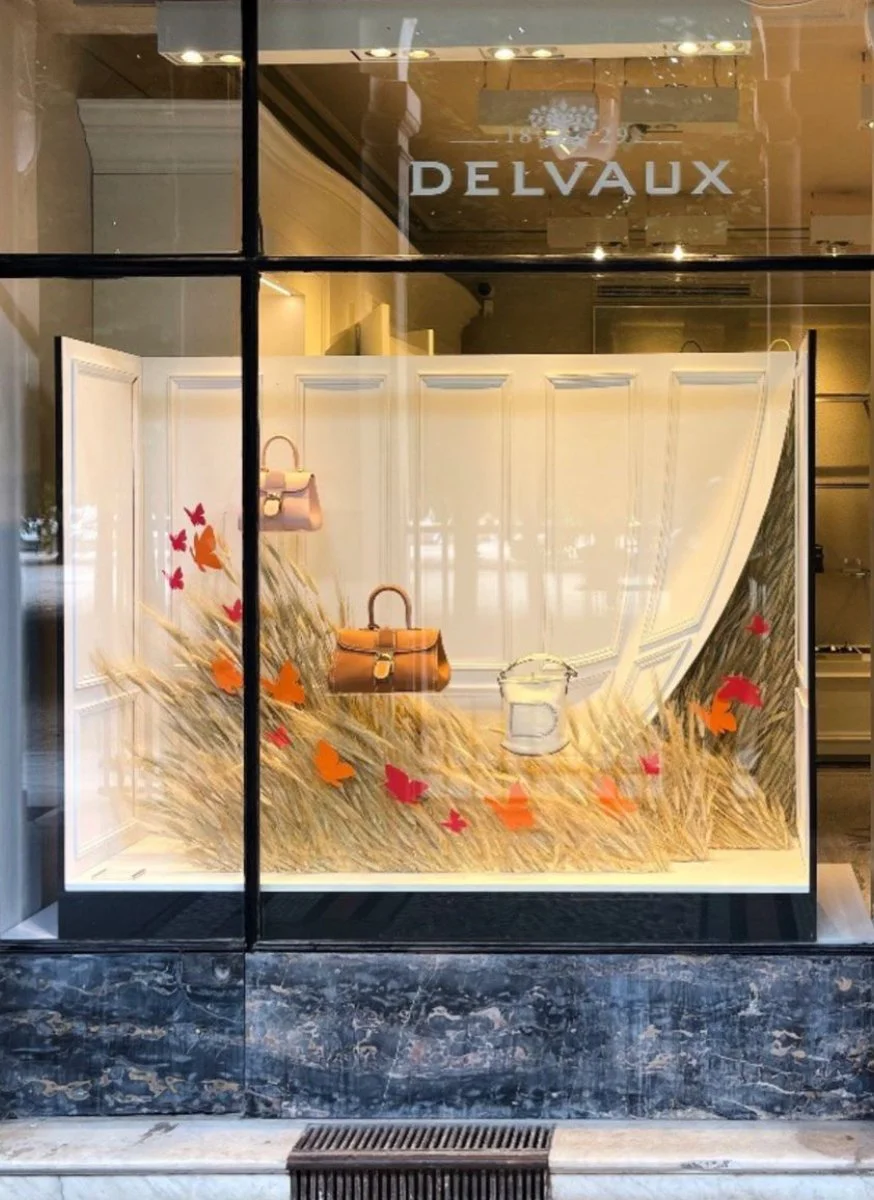
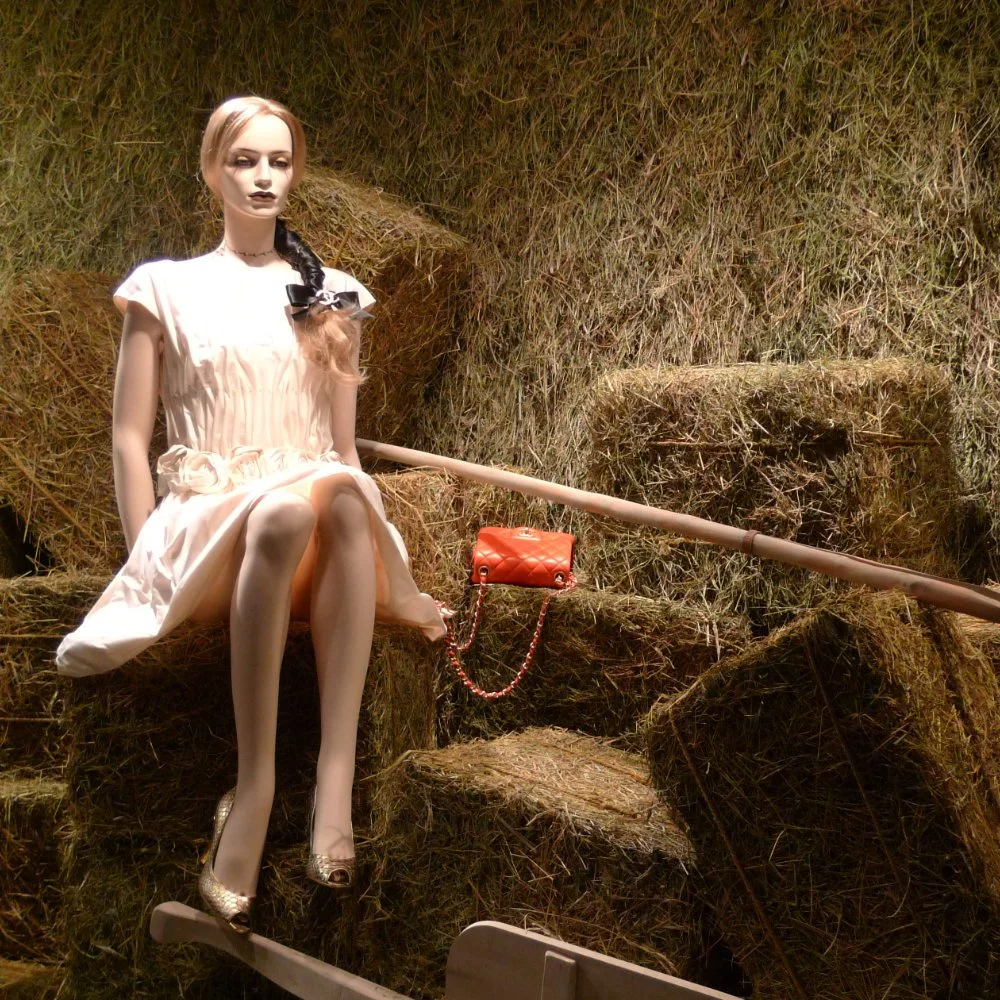
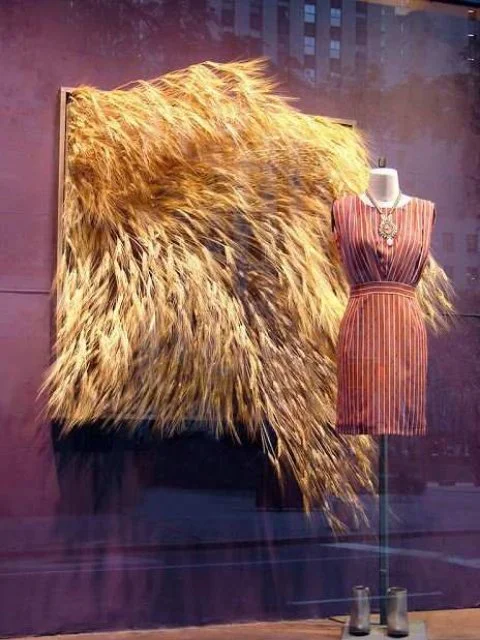
Before we even talk about Autumn, remember that a towering arrangement of fluffy pampas grass perfectly evokes a bohemian Spring. In late Summer, utilizing raw hay bales as product podiums or framing your window with tall dried wheat stalks creates an effortless, sun-drenched "Riviera" aesthetic.
Delvaux hay field (source unknown) ⨳ Chanel hay bale (photo Kraft & Carat) ⨳ Anthropologie hay frame (source unknown)
Loewe pampa (source unknown) ⨳ h&M cotton (source unknown) ⨳ driftwood window (source unknown)


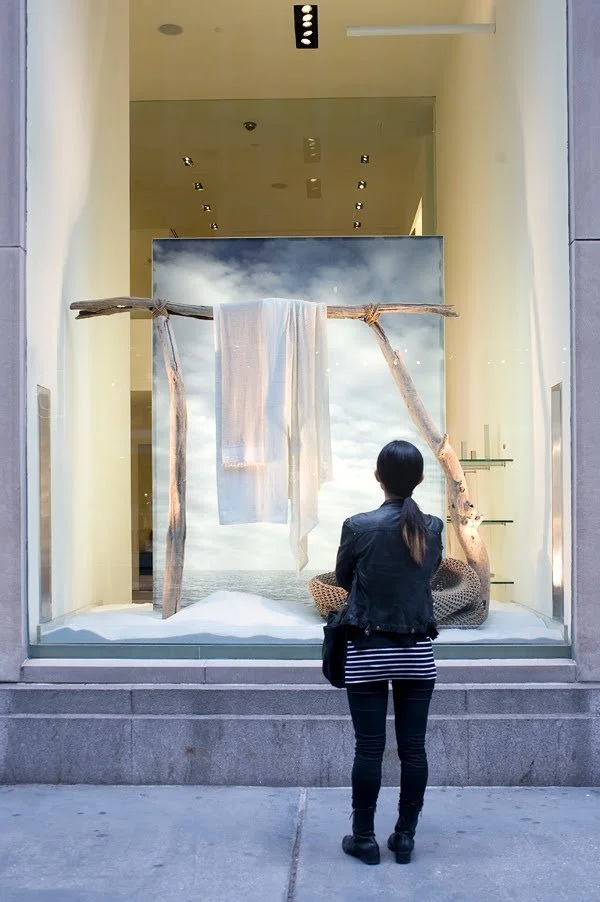
But bare branches and fallen leaves remain your absolute secret weapon for the end of the year. So, what happens when November ends? Do not throw your autumn branches away.
This is the ultimate Q4 hack: Upcycling. With a single can of spray paint, your rustic autumn storefront effortlessly transforms into a high-end Holiday wonderland.
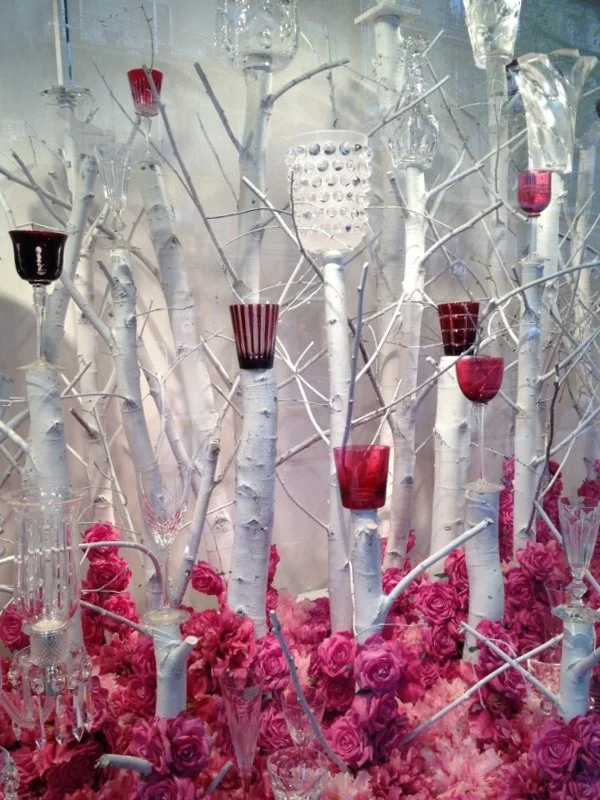
Simply take those same raw branches and spray them entirely in metallic gold or frosty matte white.
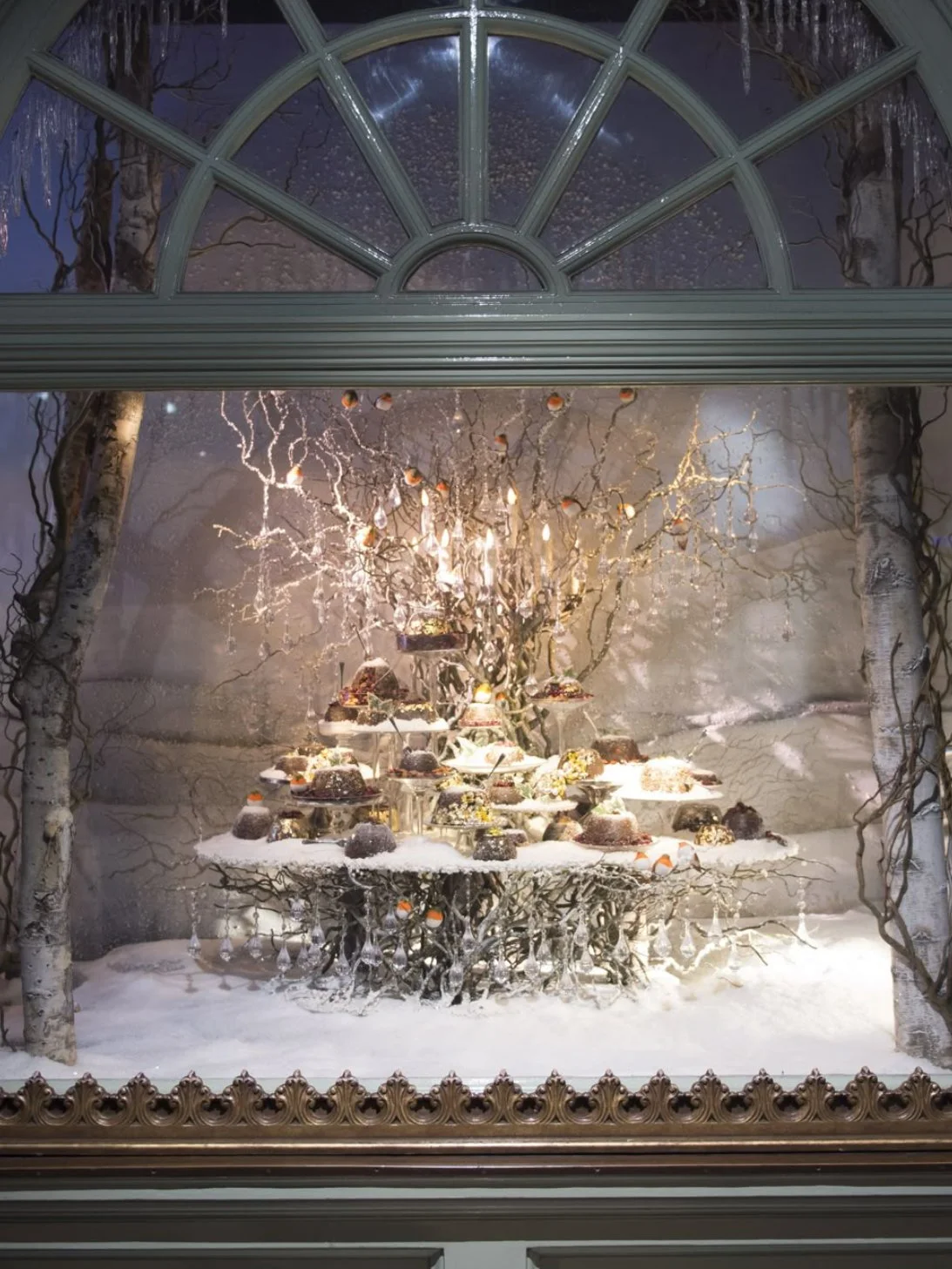
Then, re-engineer the composition. Add a few gilded pinecones or baubles, weave in delicate warm fairy lights or some delicate crystals, and instantly, your grounded autumn display becomes a majestic, enchanted winter forest.
source Studiya Dereva ( Instagram) ⨳ Fortnum & Mason (source unknown) ⨳ Printemps (photo Kraft & Carat)

READY FOR THE HOLIDAY RUSH?
Transitioning from Fall to Winter doesn't have to be stressful. If you want to stop improvising and start planning your most profitable season like a true retail agency, I have something for you.
I am currently finalizing the Studio's masterpiece: The Holiday Storefront Playbook (Official Release: Sept 1st).
Inside, you will find 5 radically different, trend-forward window display concepts (from 'Mystical Nature' to 'Galactic Blue') designed for independent boutiques on a paper budget.
★ VIP PRE-SALE: Secure your VIP Pre-order for just $17 today.
On September 1st, the Playbook officially launches and the price will jump to its regular rate of $49. Don't miss out!


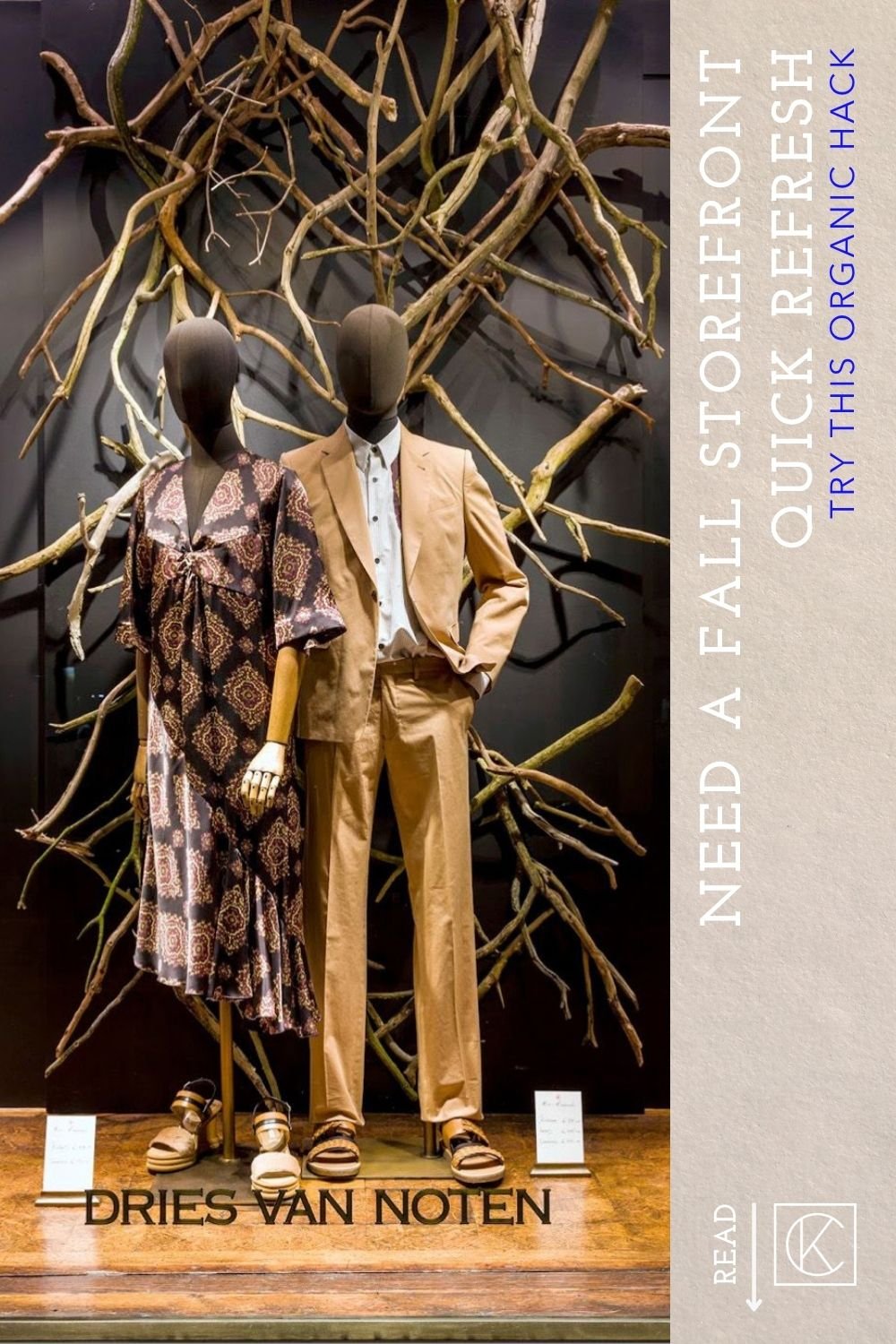






Pin for inspiration, or share these retail strategies with your network.