
The Ultimate Guide to Architectural Textured & Leaded Glass
Each selection is carefully curated with an independent eye, guided by a desire to highlight thoughtful, timeless and inspiring pieces.
Curator's Note: As a Paris-based studio, most edits highlight some of my favorite European-accessible design houses...
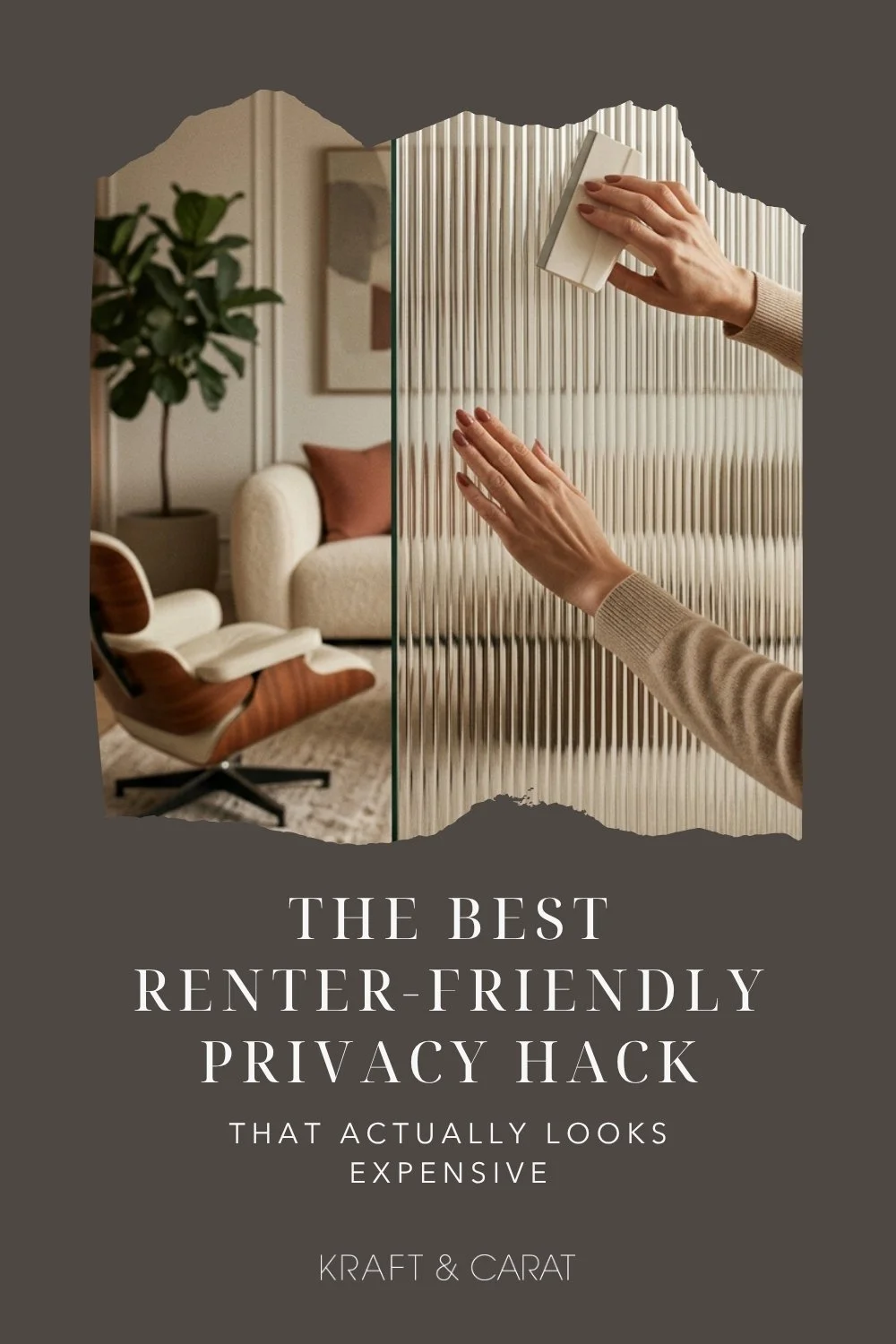
There is a recurring dilemma in interior design: how do you maintain privacy without sacrificing natural light? Curtains can feel heavy, and blinds can feel too corporate. As a scenographer, my favorite solution has always been architectural glass.
By manipulating the surface of the glass, you allow sunlight to pour into a room while beautifully blurring the details behind it. It creates a luminous, soft-focus effect that adds instant character to doors, partitions, and cabinetry.
However, there is a fine line between a bespoke "Boutique Hotel" aesthetic and a cheap DIY fix. The secret lies in choosing timeless, historical textures rather than modern, trendy patterns.
Here is the ultimate curator's guide to the classic glass finishes that will elevate your interior, complete with a breakdown of a viral Pinterest trend.
The Architectural Privacy Glass Families
If you want to maintain a high-end, timeless look, steer clear of cheap, modern printed patterns (like laser-cut flowers or 3D illusions). True luxury lies in structural textures. Here are the classic glass families you need to know:
The Linears (Strict & Elegant)
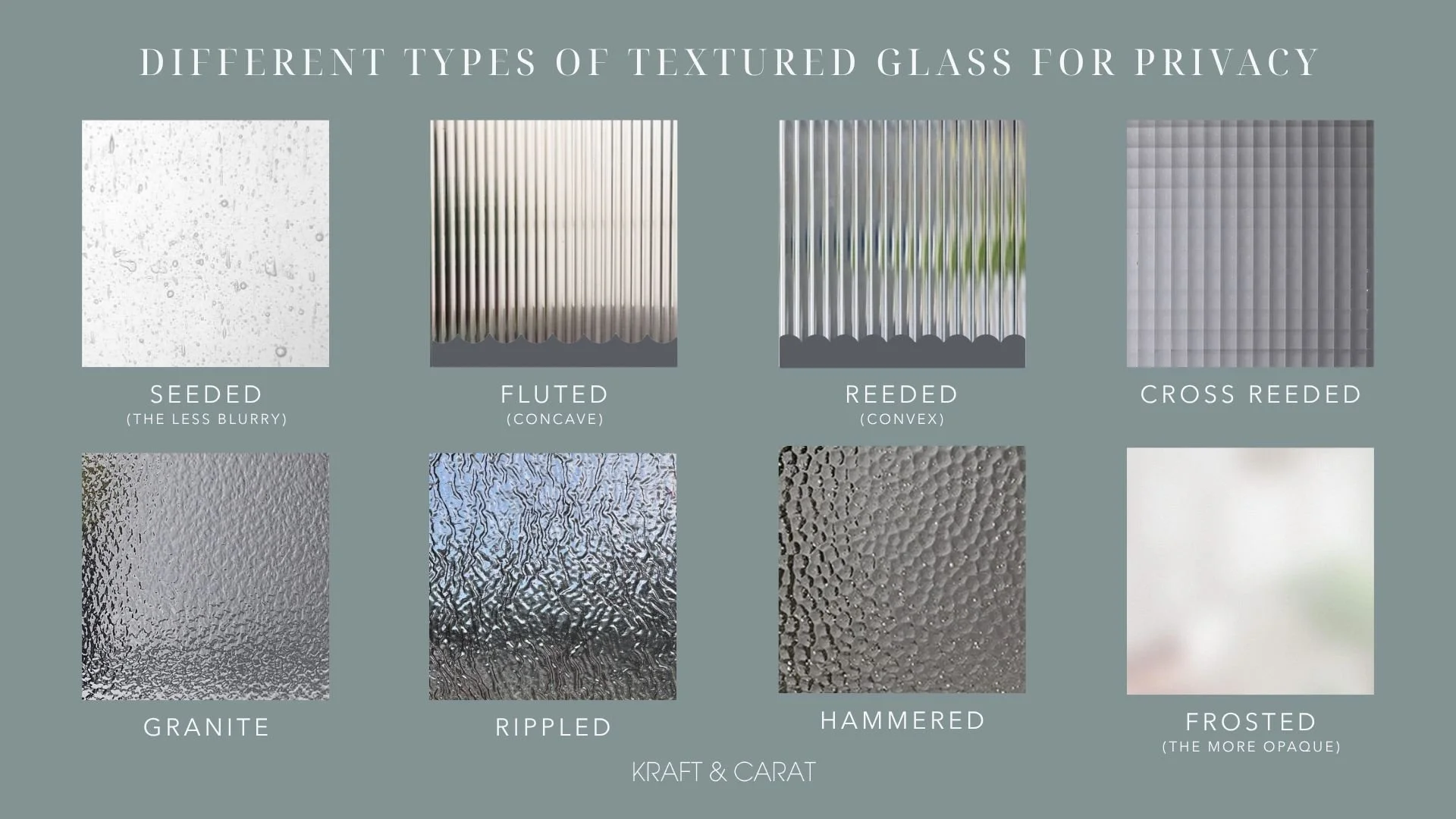
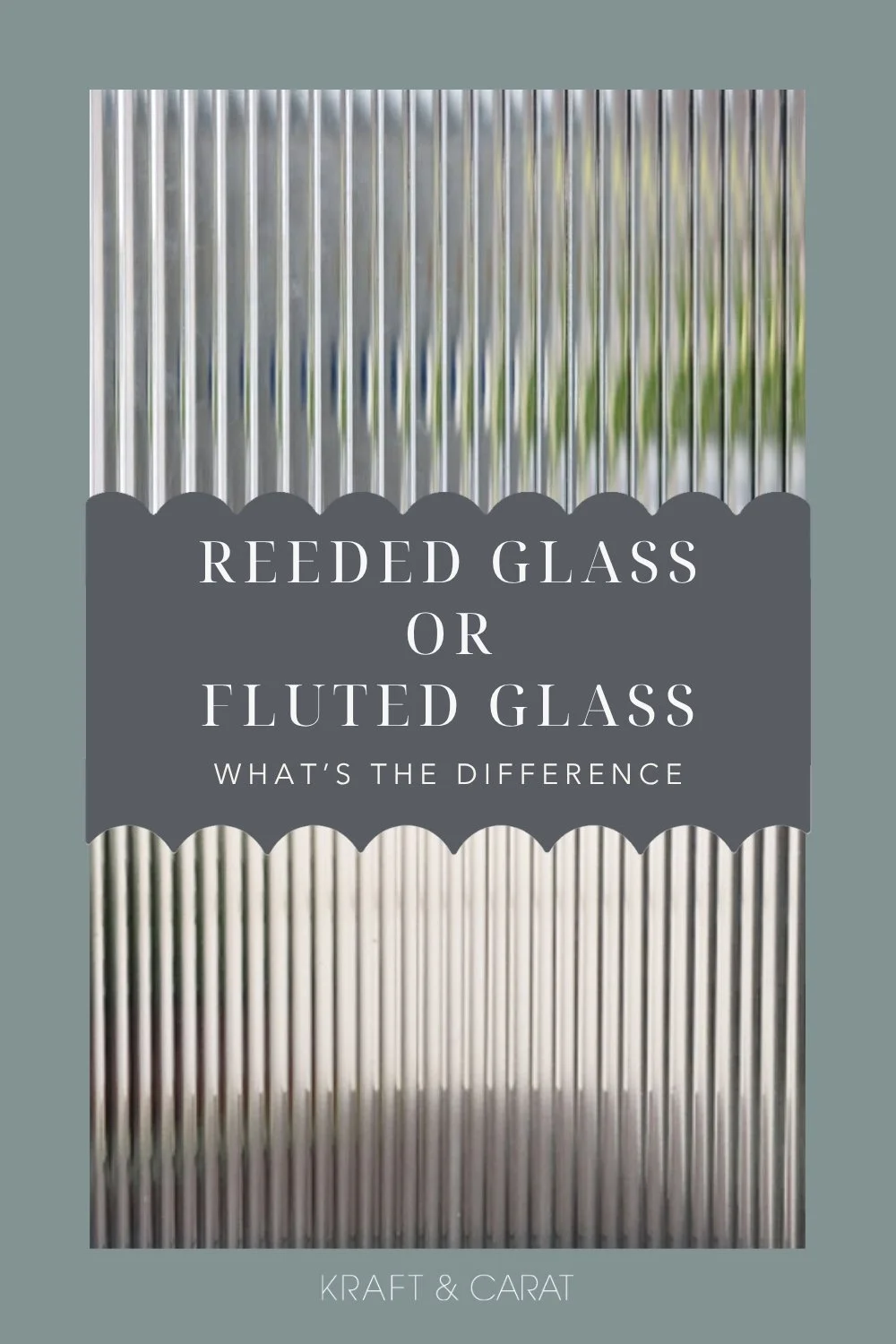
Please note that reeded & fluted glass are often used interchangeably in the design world, but technically and architecturally, they are opposites. Knowing this subtle difference is exactly what separates a standard renovation from high-end interior architecture.
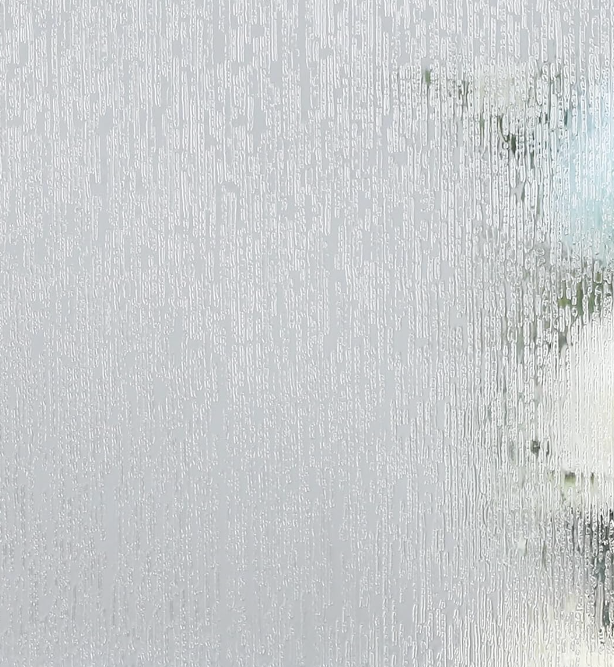
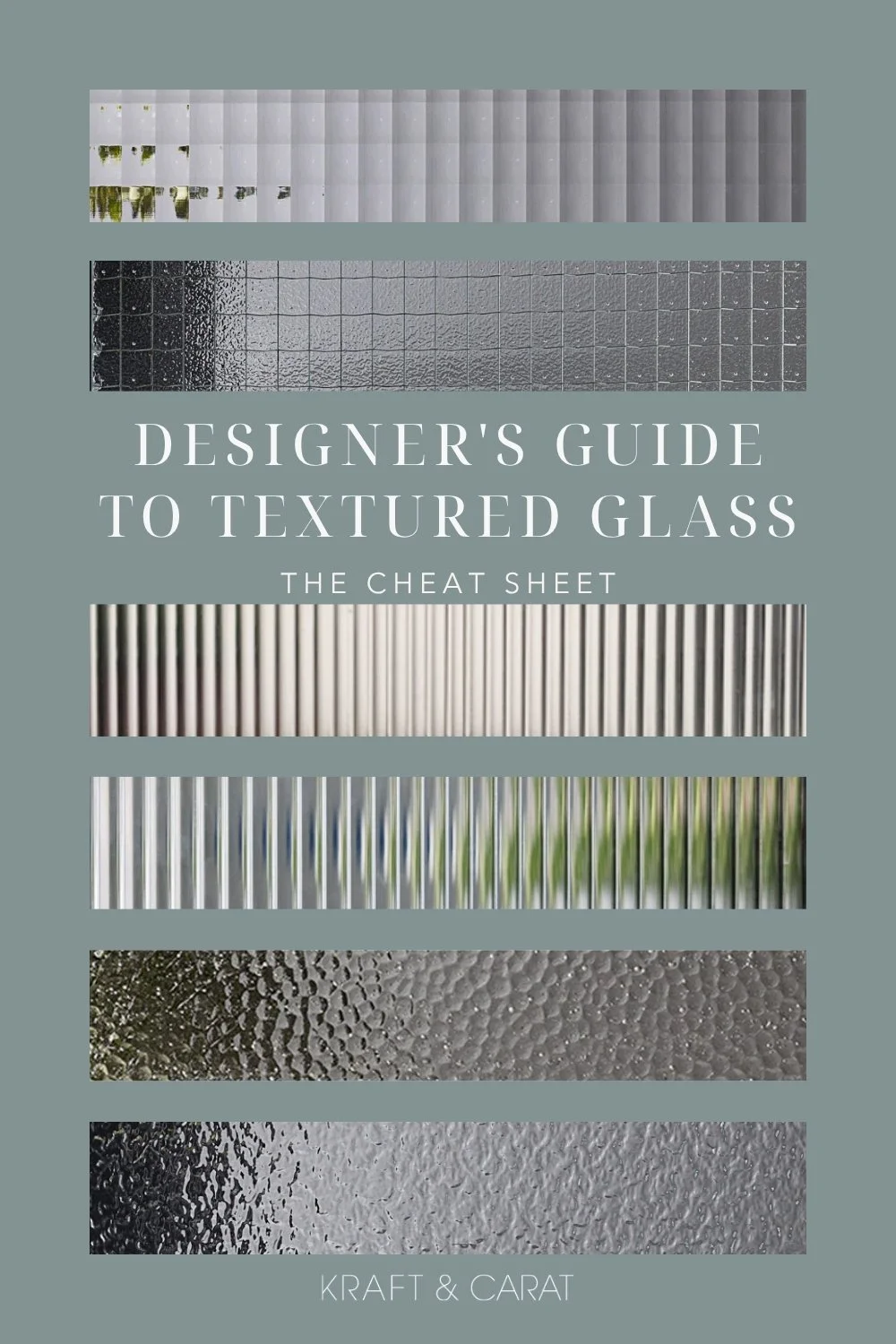
Reeded Glass (Convex): The current favorite! The glass features outward-curving ridges (like a series of tiny half-cylinders, see scheme on the picture).
The vertical lines create a chic, elongated distortion, and diffuse light broadly and has a softer, more contemporary feel.Fluted Glass (Concave): The glass features inward-carving grooves (like the fluting on a classical Greek column, see scheme on the picture).
It creates sharper shadows, catches the light more aggressively, and instantly brings a structured, Art Deco sophistication to a space.Ribbed Glass: It shares the convex shape of Reeded glass, but it is all about scale. The vertical lines are micro-thin and tightly packed together (like fine corduroy), creating a denser blur and maximum privacy (not shown, just smaller)
The Geometrics (Vintage & Structured)
Cross-Reeded Glass (also called Waffle or Listral): Vertical and horizontal lines intersect to create a stunning, pixelated blur.
Quilted / Diamond Glass: A classic lozenge pattern that brings a vintage, bistro-style or apothecary geometry to a door (not shown).
Wired Glass: Features a metal wire mesh inside. (not shown here because of its industrial look, but a perfect choice for a loft aesthetic).
The Organics (Raw & Natural)
Seeded Glass: Contains tiny trapped air bubbles. The absolute must-have for a Moody or Wabi-Sabi interior because it mimics 200-year-old hand-blown glass.
Hammered Glass: Looks like the surface of beaten metal, diffusing light organically.
Granite Glass: irregular aspect on the surface like stone.
Ripple Glass (also called Flemish when wider pattern): The surface ripples gently like a lake surface, catching light beautifully.
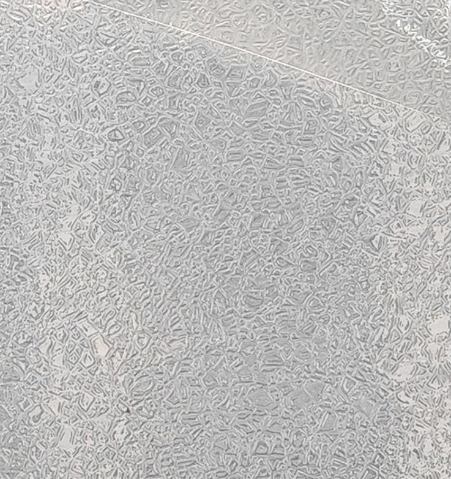
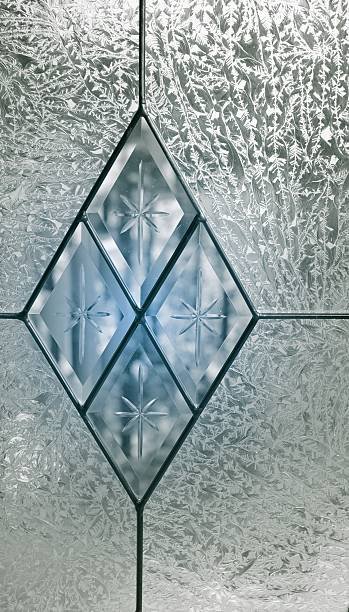
Glue Chip Glass: A stunning, historical technique dating back to the Victorian era. The unique manufacturing process creates a natural, frost-like or fern pattern on the surface. It is incredibly elegant for heritage renovations or adding an "Old World" charm to a door (see below)
The Opaques (Maximum Privacy)
Acid-Etched (Frosted): The luxury version of frosted glass, offering a silky finish that resists fingerprints while blocking out completely the view.
(Curator's Note: While ornate floral or botanical glass patterns do exist historically, we intentionally exclude them here. For a modern, elevated aesthetic, sticking to geometric or organic textures ensures your space feels architectural rather than dated).
CASE STUDY: Why This Glass Partition Went Viral
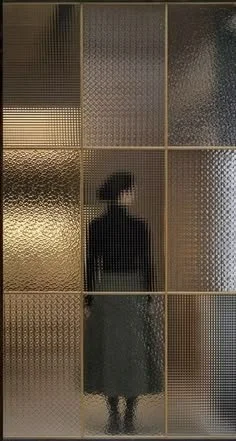
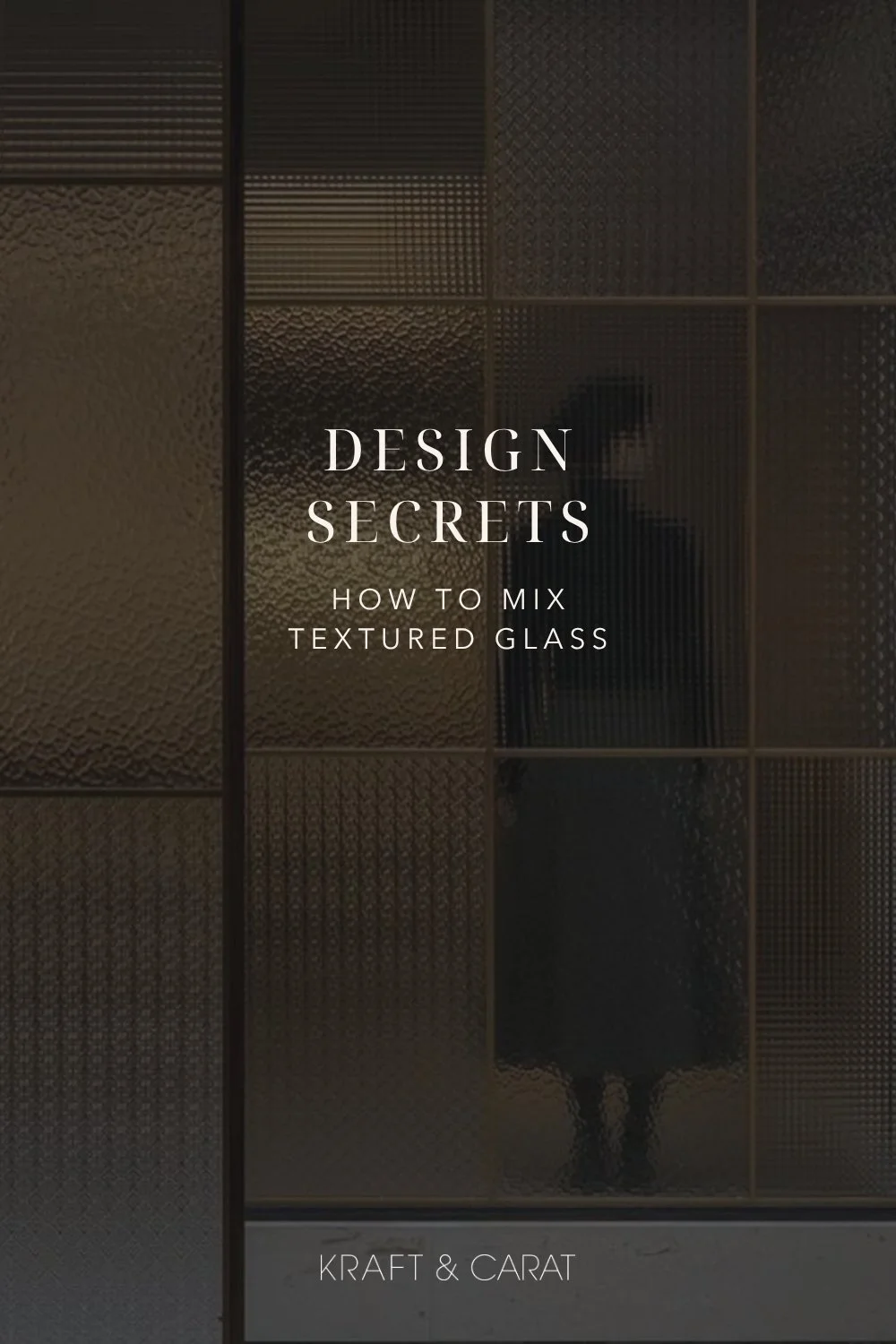
If you want to understand the true power of mixing textured glass, look no further than this image. This single photograph, from my moody interior post, generated tens of thousands of saves on our Kraft & Carat Pinterest boards. But why?
It is the perfect masterclass in controlled eclecticism. Instead of using one giant sheet of fluted glass, the designer created a patchwork of textures. However, it doesn't look messy because it follows strict scenography rules:
The Frame: The ultra-thin brass mullions provide a strict, geometric, and luxurious grid that contains the chaos of the textures.
The "Rule of Three" Textures: The designer limited the glass “palette” to exactly three distinct, timeless patterns:
> Cross-Reeded Glass: The center panel creating that stunning, pixelated silhouette
> Granite Glass: The large, shimmering panels on the left. Unlike simple hammered glass, this has a "crushed ice" texture that diffuses the warm light in a thousand micro-facets, adding an organic, fluid contrast to the strict brass grid.
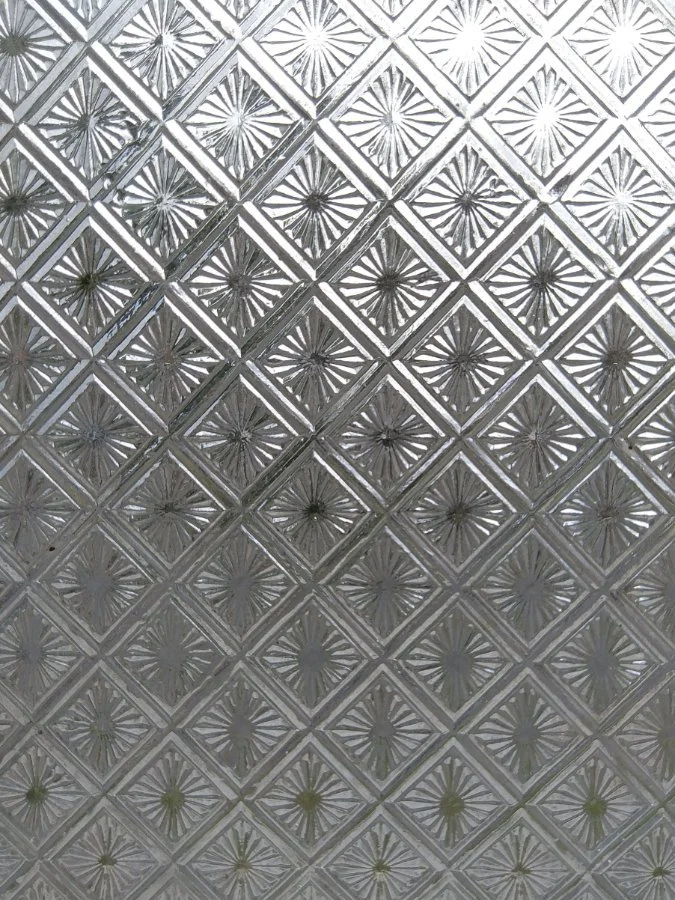
> Vintage Florentine Diamond Glass: It is not just a diamond pattern; there is a delicate floral/star motif stamped inside each lozenge, bringing an unmistakable "Old World" heritage charm to the composition (see below).
The Layout: Notice how the identical textures are placed diagonally. They never touch, forcing the eye to dance across the entire partition.
☞ The Curator's Takeaway: Recreating the Magic
While the specific Florentine or Arctic glasses used in this custom door are high-end architectural materials, you do not need a luxury budget to achieve this exact aesthetic.
The secret here isn't the rarity of the glass; it is the Scenography of the grid.
You can recreate this stunning "Boutique Hotel" partition by mixing three easily accessible, standard textures:
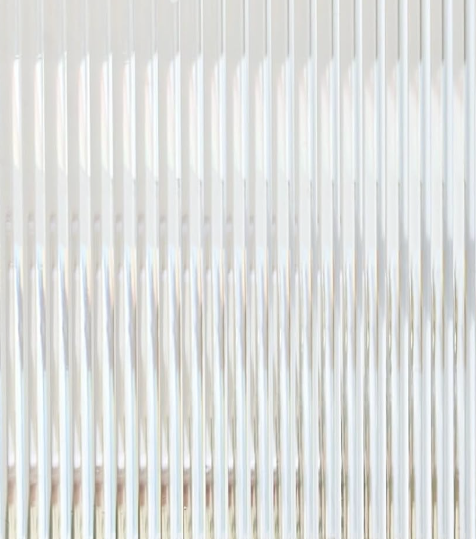
A Linear texture: (Like a standard Reeded or Fluted glass/film).
An Organic texture: (Like a simple Hammered or Frosted finish to catch the light).
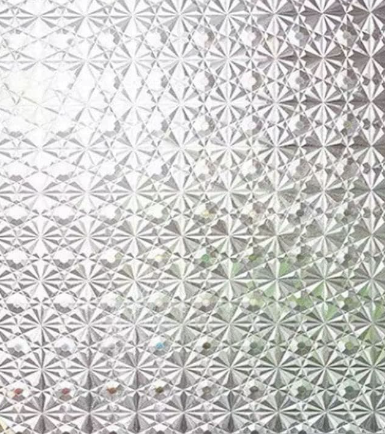
A Geometric texture: (Like a basic Quilted or vintage geometric pattern).
As long as you respect the "Rule of Three" and separate them with a sharp brass or matte black grid, you will capture the exact same mysterious, elevated vibe!
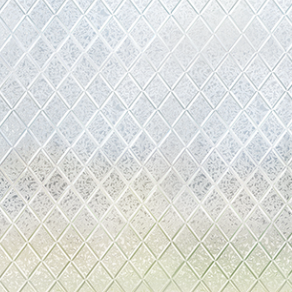
Curator's Note: To mimic these textures without the budget, I have found these textured window films, so just pick your favorites below to mix & match
2. Heritage Leaded Glass Styles
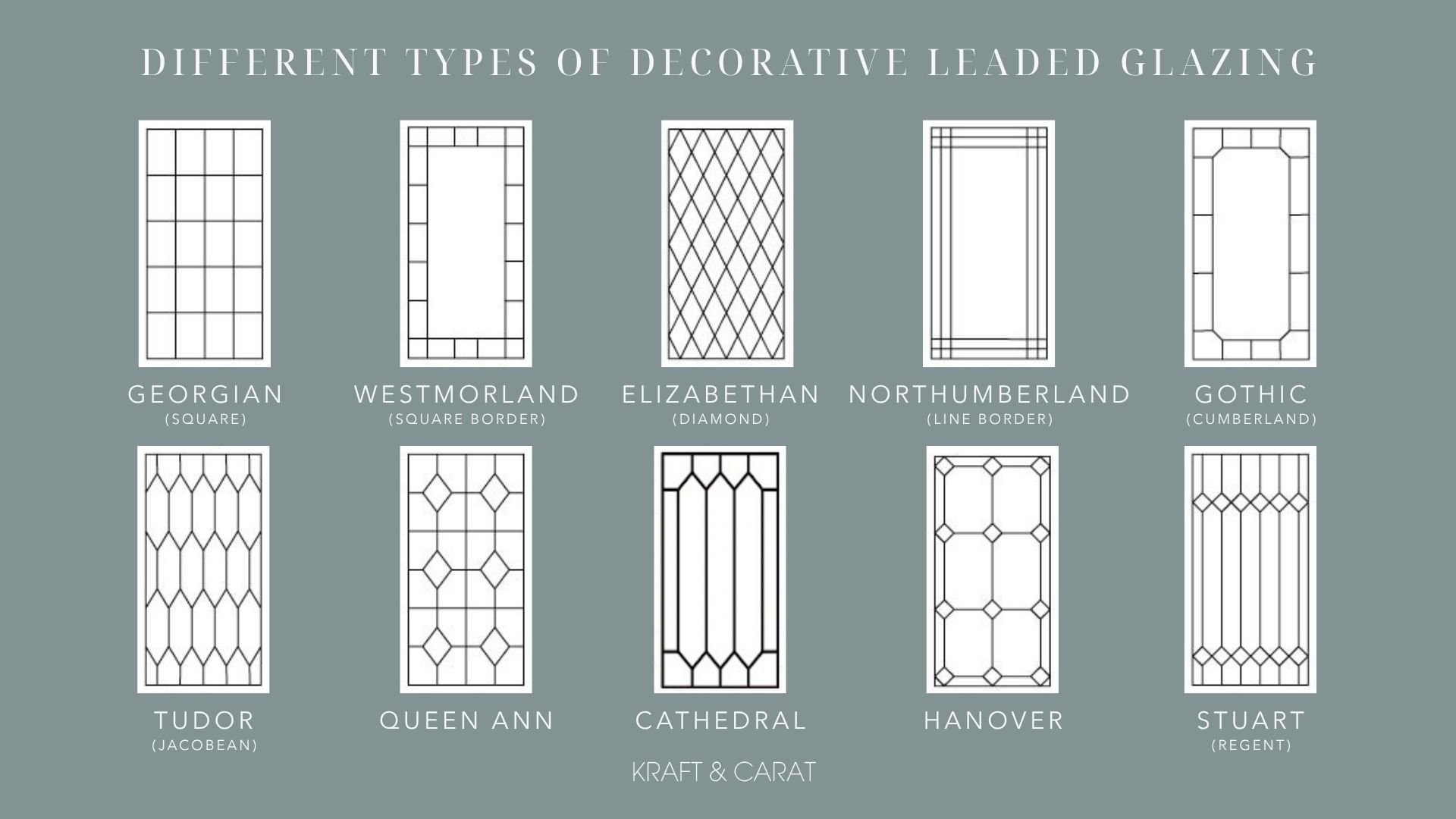
If you are renovating a historic home or aiming for a rich, Dark Academia aesthetic, the structure of the glass is just as important as the texture. Leaded glass brings immense architectural heritage to a space.
For a cohesive, moody interior, we recommend focusing on traditional English geometries, like
Georgian: Strict, large proportions with orthogonal lines (classic sash windows).
Diamond / Elizabethan: The oldest style with its losange shape, instantly evoking an English Cottage or dark library.
Queen Anne: Features small squares only on the outer border, and central “diamonds”
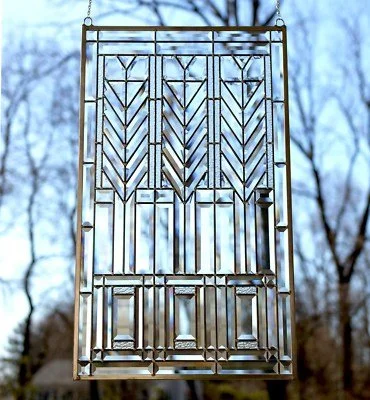
Beyond the English tradition, geometric leaded glass also defined the early 20th century. The Art Deco movement and Frank Lloyd Wright's Craftsman style heavily utilized pure lines, chevrons, and Beveled Glass (verre biseauté)—where the edges of the glass are cut at an angle to act as a prism, catching the sunlight beautifully without needing heavy colors.
see different kinds of textured glass below
beveled and engraved leaded “diamonds” with glue chip glass (1), vintage florentine diamond glass (2), Frank Lloyd Wright stained glass style decor (3)
☞ The Curator’s Hack: Doing It on a Budget
Authentic leaded glass cost thousands. But you can recreate this vibe at home using Privacy Window Films.
A word of caution: I haven’t spoke about it above, regarding textured glass clings, but the market is flooded with cheap adhesive films featuring trendy geometric patterns, 3D mosaics, or laser-cut flowers. Do not use them. They immediately cheapen a room. To keep it luxurious, you must stick to films that replicate the timeless textures mentioned above.
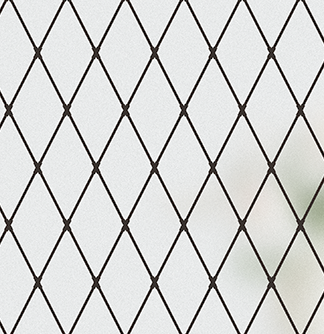
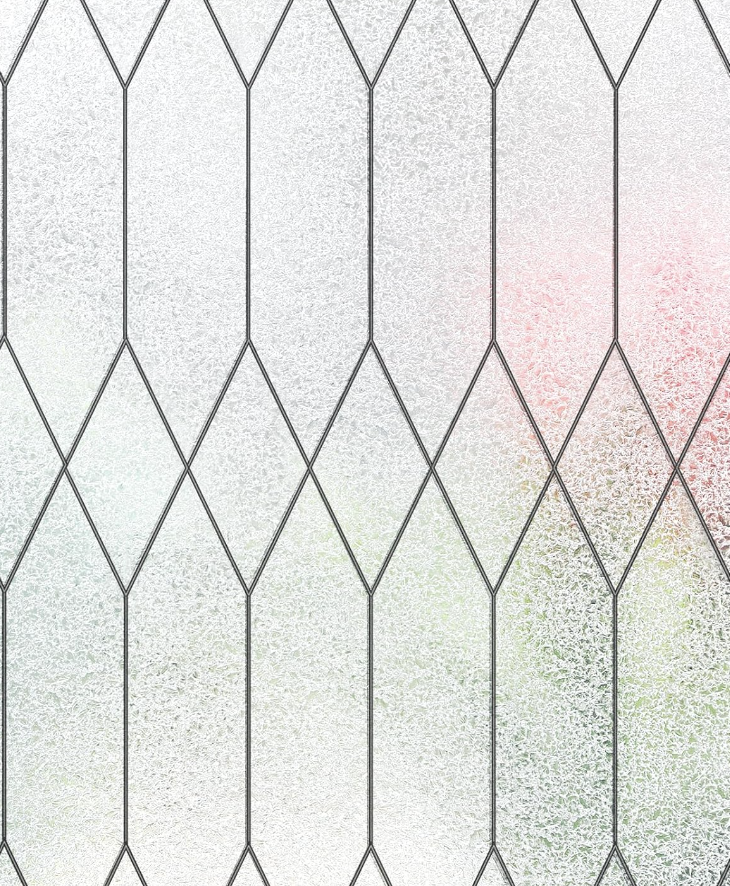
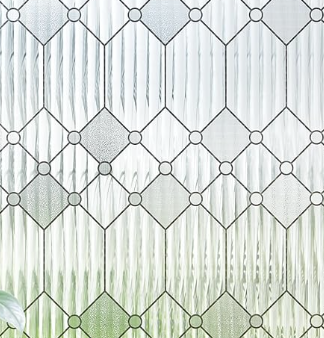
I’ve made a selection of 3 “faux” leaded glass adhesive patterns, with geometric renders, that seem to meet the kraft & carat touch:
the diamond glazing shape, with a frosted glass part
the Stuart/regent film, with glue chip glass effect
a modern interpretation of the leaded style with fluted glass
For the Design Professionals
Are you an interior designer pitching complex material mixes (like textured glass and brass) to your clients? Make sure your presentations look as high-end as your concepts. Elevate your client experience with my Canva templates. Build agency-level moodboards and secure faster approvals in Canva!
Hover over your favorite image above to pin it or share with your colleagues below...